

The finest grade of coal with remarkable heat and energy qualities is anthracite, which is frequently referred to as the “king of clean-burning fuel.” Anthracite is one of the cleanest and most effective fossil fuels on the market today because it has a very high carbon content (86–97%), low volatile matter, and few impurities, in contrast to other coal types. Anthracite coal is still used by industries all over the world, especially in the steel, cement, and power generation sectors, because of its reliable heat delivery, extended burn times, and lower smoke emissions. The main uses of anthracite, market trends, and the ways that reputable suppliers like Rawalwasia Group are assisting industries in obtaining dependable anthracite coal for sustained growth are all covered in this blog.
Anthracite coal: what is it?
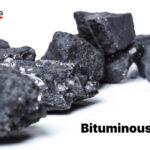
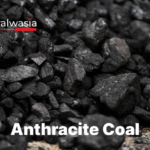
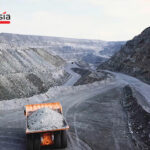
Hard, compact, and glossy, anthracite coal is distinguished by its low moisture content and high energy density. It is mostly mined in nations like China, Russia, Ukraine, South Africa, and Vietnam, and is found in smaller amounts than other coals. Anthracite is regarded as the cleanest-burning coal due to its distinct physical and chemical characteristics, which result in minimal emissions and smoke. It is a priceless resource for both industrial and residential applications because of its glossy black appearance, dense structure, and capacity to generate intense heat with little waste.
Why Anthracite is Called the King of Clean-Burning Fuel
Anthracite’s reputation as a premium energy source comes from several unique factors:
-
High Carbon Content – With up to 97% carbon, anthracite has the highest fixed carbon ratio of all coal types.
-
Low Emissions – It produces very little smoke, sulfur, and volatile gases when burned, making it environmentally superior compared to other coals.
-
Higher Heat Value – Anthracite provides a Gross Calorific Value (GCV) of 6,500–7,800 kcal/kg, far higher than lignite or sub-bituminous coal.
-
Longer Burn Time – Its dense composition ensures steady, prolonged burning, which reduces overall coal consumption.
-
Cost Efficiency – Although initially more expensive, anthracite’s efficiency and lower maintenance needs make it cost-effective in the long run.
Industrial Applications of Anthracite Coal
Anthracite is widely used across industries due to its clean and efficient burning properties:
-
Steel Industry – It serves as a reducing agent in blast furnaces and is vital in metallurgical processes.
-
Cement Industry – Used as a fuel to achieve high kiln temperatures needed for clinker production.
-
Power Plants – Delivers stable and efficient electricity generation with reduced emissions.
-
Chemical Industry – Acts as a raw material in carbon-based chemical production.
-
Domestic Heating – In colder countries, anthracite remains a preferred choice for stoves and boilers because it burns cleaner indoors.
Global Anthracite Market Trends (2024–2025)
The global anthracite market has shown steady growth, driven by demand from steel and cement industries.
-
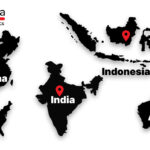
Asia-Pacific, particularly India and China, accounts for the largest demand due to expanding infrastructure.
-
Top Producers: China, Russia, Ukraine, South Africa, and Vietnam.
-
Price Trends: Prices have stabilized after volatility in 2022–23, but remain higher than bituminous coal due to scarcity.
-
Future Outlook: Rising steel demand and stricter environmental norms will boost anthracite consumption.
Global Anthracite Market Data (2024)
| Country | Estimated Production (Million Tonnes) | Key Usage Sector |
|---|---|---|
| China | 180+ | Steel & Power |
| Russia | 25 | Steel, Export |
| Ukraine | 20 | Industrial Fuel |
| South Africa | 10 | Cement & Power |
| Vietnam | 5 | Export Markets |
(Source: World Coal Association, 2024 Reports)
Why Industries Prefer Anthracite Coal
Industries choose anthracite for several strategic reasons:
-
High thermal efficiency reduces overall fuel consumption.
-
Lower maintenance costs in boilers and furnaces due to reduced ash and waste.
-
Consistency in quality compared to other coals.
-
Compliance with emission standards, especially in regulated industries.
By choosing anthracite, companies can balance sustainability with profitability.
Anthracite Coal’s Future
Even though the use of renewable energy is expanding worldwide, anthracite is still necessary for industries that need to operate at extremely high temperatures. Long-term demand is guaranteed by its use in the production of chemicals, steel, and cement.
Imports will keep growing in India because of the country’s limited domestic anthracite reserves. This gap is filled by dependable vendors like Rawalwasia Group, who provide industries nationwide with premium anthracite coal, guaranteeing a steady supply of energy at competitive prices.
Anthracite coal is rightly crowned the “King of Clean-Burning Fuel” due to its unmatched energy efficiency, reduced emissions, and industrial importance. With its premium quality and high carbon content, anthracite continues to serve as a backbone for critical sectors like steel, cement, power, and chemicals. As global demand grows, trusted partners like Rawalwasia Group play a vital role in ensuring that industries have access to top-quality anthracite coal, supporting both economic growth and environmental responsibility.